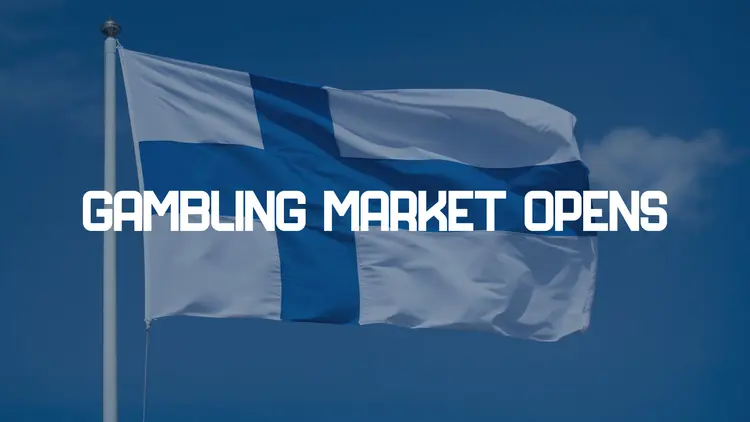
Finland prepares for a seismic shift in its iGaming sector, confirming a dual-licence system rolling out in 2027. This pivotal change dismantles the long-standing state monopoly, paving the way for exciting prospects in online gambling, sports betting, and casino gaming.
Finland's gambling sector has long been dominated by Veikkaus, the state-owned operator holding exclusive rights since 1990. Veikkaus managed everything from lotteries and land-based casinos to online gambling, channeling revenues toward good causes like sports and culture. However, the rise of digital platforms exposed cracks in this model, with significant player migration to unregulated offshore sites.
By 2025, online gambling accounted for about 65% of the total market's gross gaming revenue, estimated at €1.56 billion out of €2.4 billion overall. Sports betting saw record wagers in the first half of that year, up 18% year-on-year, driven by football and surging esports activity with 45% growth. Yet Veikkaus reported declining figures: H1 2025 revenue dropped 3.6% to €466.4 million, with operating profit down 10.6%.
This offshore leakage, around 15% to 50% of digital spend depending on estimates, prompted reform. Lawmakers recognized that the monopoly failed to retain players in a borderless iGaming world, leading to lost tax revenue and weaker consumer safeguards. The new framework addresses this by opening the market while imposing strict controls.
The cornerstone of Finland's reform is a two-track licensing system outlined in legislative proposal HE 16/2025. First, B2C gambling game licences target operators offering online gambling services like sports betting, casino games including slots and tables, and bingo. These five-year licences carry a 22% tax on gross gaming revenue, aligning with Nordic peers.
Second, B2B game-software licences apply to suppliers providing platforms, games, or modifications. Crucially, B2C operators can only use approved B2B providers after a transition period, creating a closed ecosystem to block unlicensed content. This supply-chain oversight is stricter than in markets like Sweden or Denmark.
Applications for B2C licences open in early 2026, with market entry from January 1, 2027—though some sources note July 1 for full operations. B2B applications follow in mid-2027, mandatory compliance by 2028. Licence fees will fund the new Permit and Supervision Agency, replacing the National Police Board's role.
To meet EU competition rules, Veikkaus will split into two entities under the same group. One retains a 10-year monopoly on lotteries, scratch cards, land-based casinos, and physical slots. The other enters the competitive online arena under identical rules as private players—no special advantages.
This unbundling neutralizes dominance concerns raised by critics like Swedish operator ATG. Veikkaus, preparing for competition, invests in digital upgrades and international expansion despite domestic dips. Analysts see this as essential for a level playing field in iGaming.
The reform prioritizes player safety amid iGaming growth. Mandatory identity verification and registered accounts will curb underage access and money laundering. A national self-exclusion register lets players opt out across all licensed services.
Marketing faces tight reins: no aggressive tactics, bans on direct outreach without consent, and prohibitions on outdoor ads or affiliate bonuses. Minimum gambling age may rise to 20, with extra safeguards for 18-24-year-olds. Operators must run biennial security audits and annual vulnerability scans.
These measures aim to channel demand back onshore, reducing harm from offshore online gambling. The supervisory agency gains powers for fines, revocations, and content blocks, fostering responsible sports betting and casino play.
The rollout unfolds in phases to ensure smooth transition. Parliament reviews HE 16/2025 in early 2026, with B2C applications starting March 1. Licensed sports betting and casino platforms go live July 1, 2027, ending Veikkaus's online exclusivity.
B2B licensing begins July 1, 2027, with enforcement from 2028. Until then, operators may use existing suppliers, but full compliance is non-negotiable. This staggered approach gives iGaming consulting firms time to guide clients through preparations.
Industry watchers expect high interest, given Finland's tech-savvy population, over 90% internet penetration, and mobile dominance. Projected online revenue hits US$1.31 billion in 2025, growing at 5.1% CAGR to $1.68 billion by 2029.
Private players eye Finland's €2 billion-plus market hungrily. The dual-licence setup demands robust compliance, making iGaming consulting vital for navigating B2B dependencies and tax structures. Sports betting, with its esports boom, and casino segments promise lucrative niches.
Established Nordic operators may lead, but global brands with strong responsible gambling records stand out. Challenges include past infringement disqualifiers and rigorous tech standards, yet the regulated environment beats offshore risks. iGaming consulting can optimize entries, from licence bids to supplier vetting.
Market projections signal steady expansion, fueled by VR/AR innovations and smartphone ubiquity. High-rollers, 2.2% generating half revenue, could return onshore, boosting licensed online gambling volumes.
Not all views are rosy. Critics worry liberalization spikes gambling harm, urging stricter marketing and age limits. Affiliates face outright bans, reshaping promotional strategies in sports betting and casino marketing.
Veikkaus's split draws scrutiny for potential group synergies skirting neutrality. Offshore operators must pivot fast or exit, while B2B suppliers like game studios face new Finnish oversight, potentially raising costs but ensuring quality.
iGaming consulting experts stress early preparation: reliability checks, local partnerships, and consumer-centric platforms. Finland's emphasis on transparency and data protection aligns with EU GDPR, aiding compliant operators.
Finland joins Sweden (2019) and Denmark in demonopolizing online gambling. Unlike Sweden's single licence, Finland's dual model innovates with B2B mandates, influencing future reforms elsewhere. EU alignment curbs state aid issues plaguing Veikkaus.
Nordic iGaming hubs like Malta and Estonia position well as B2B hubs. Sports betting's growth mirrors regional trends, with esports carving niches. Casino innovation, live dealers, immersive slots, will thrive under supervision.
Sports betting stands to benefit hugely. Football dominates wagers (one-third share), but motorsports, winter sports, and esports surge. Licensed platforms promise better odds, live streaming, and secure payments, drawing bettors from greys.
Operators must integrate self-limits and reality checks, enhancing trust. iGaming consulting advises blending data analytics for personalized experiences while adhering to moderate marketing. Expect Finnish leagues to gain sponsorship boosts post-2027.
Online casino revenue leads at US$700 million in 2025 forecasts. Slots, tables, and bingo demand certified RNGs and local adaptations like Finnish-language interfaces. B2B rules ensure fair play, curbing rigged offshore sites.
Immersive tech like AR tables could explode, with mobile-first designs key. Responsible features, deposit caps, session timers—become standard, appealing to safety-conscious players seeking premium casino thrills.
Expert guidance is indispensable in this shift. iGaming consulting helps demystify dual licences, supplier compliance, and agency interactions. Firms like those versed in Nordic regs assist with applications, audits, and market entry strategies.
From risk assessments to player acquisition plans, consultants bridge gaps for international entrants eyeing Finland's online gambling goldmine. Their input shapes competitive edges in sports betting and casino domains.
Revenues stay earmarked for society, but competition may grow the pie, reclaiming €550 million "whale" offshore spend. Tax hauls from 22% GGR could rise with channeling. Jobs in tech, compliance, and support emerge.
Socially, safeguards aim to minimize harm, with monitoring for addiction spikes. Success hinges on enforcement; failure risks backlash. Overall, regulated iGaming promises sustainability over monopoly stagnation.
As 2027 nears, stakeholders monitor implementation details: fees, penalties, transitions. iGaming consulting buzz grows, with operators stacking teams. Finland's dual framework could model for holdouts like Norway.
Players gain choice in sports betting and casino options, backed by ironclad protections. This evolution marks Finland entering modernity, balancing innovation with responsibility in online gambling.
Sources: Invixos, Gambling Insider, iGaming Express, Nordia Law, Gaming Intelligence, Ace Alliance, Statista, LCB.org, Bird & Bird, Bonusetu, H2 Gambling Capital, Helsinki Times, Sigma World, PASA News, Veikkaus Group.