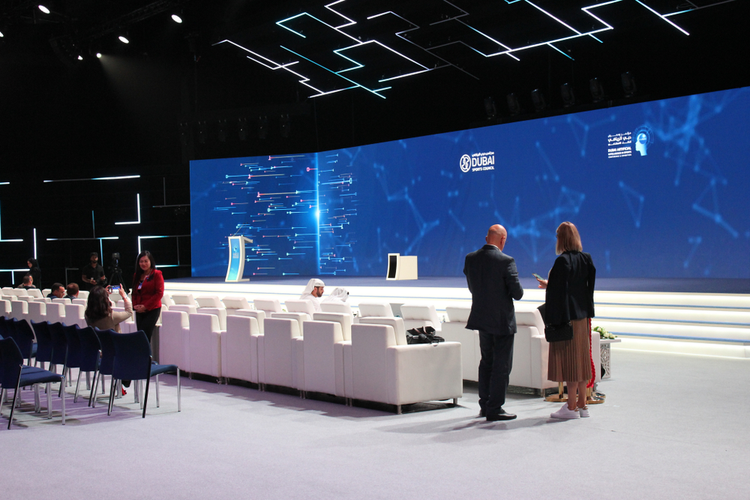
Dubai’s upcoming World Sports Summit is more than a conference announcement. It is a strong example of how sports marketing, event sponsorship, and sports branding are becoming central to Dubai’s positioning as a global hub for sport, business, and premium partnerships.
The summit, set for 28 to 29 December 2026, is being presented as a major second edition event for the city, and the broader commercial story around it is just as important as the event itself. Dubai is using the summit to strengthen its reputation as a place where sports leaders, brands, rights holders, and investors can meet around high value sponsorship and partnership opportunities.
The World Sports Summit is not being treated as a simple calendar event. It sits inside a much larger strategy in which Dubai continues to build a premium sports ecosystem tied to international visibility, event sponsorship, and business networking.
That approach matters because modern sports marketing is no longer limited to stadium signage or one off promotional campaigns. It now includes destination branding, thought leadership, media value, and the ability to bring together commercial partners in one high profile setting.
Dubai has been increasingly successful at turning sport into a business platform, not just an entertainment product. The summit fits that pattern, because it gives the city another opportunity to showcase its infrastructure, hospitality, and ability to host globally relevant sports conversations.
The real story is the commercial one. Events like this are built on event sponsorship, and the value of that sponsorship goes far beyond a logo on a banner or a mention in a program. In a market like Dubai, sponsorship is tied to reputation, access, relationships, and long term visibility.
For brands, supporting a summit of this kind can be a way to align with elite sports branding and to connect with decision makers across sport, media, investment, and government. That is why event sponsorship has become such an important part of sports marketing strategy in the region.
The event also creates a platform for future deals. A summit focused on sports business naturally attracts rights holders, brands, agencies, and athletes who are all looking for new commercial relationships, which makes it a useful place for partnership building.
The World Sports Summit announcement also reflects a wider reality in the sports industry. Sponsorship is moving toward more strategic, more selective, and more measurable forms of engagement, with brands increasingly wanting relevance rather than just reach.
That trend is visible across sports branding globally, and Dubai is clearly positioning itself to benefit from it. A high level event like this gives the city a chance to host the discussions that shape the next phase of sponsorship, media rights, and fan engagement.
It is also the kind of event that can support follow on commercial activity long after the summit ends. That is why event sponsorship remains so valuable: it can create a lasting platform for visibility and relationship building, rather than a one day burst of attention.
Dubai’s sports identity has increasingly been linked to premium international events, cross border partnerships, and a strong business friendly environment. The World Sports Summit reinforces that image by bringing together the sports marketing world in one flagship setting.
This is exactly the type of environment where sports branding becomes powerful. A city that can host meaningful commercial conversations around sport is not only hosting an event, it is shaping how global brands think about the region.
That matters because partnerships are often built on perception before they are built on contracts. If Dubai is seen as a serious global base for sports business, then event sponsorship and partnership interest naturally follow.
While the summit itself is the immediate event, the deeper story is about how such platforms help create sports partnerships. These gatherings bring together sponsors, organizers, media owners, federations, clubs, and service providers in a setting designed for deal making.
That makes the summit a commercial asset, not just a conference. It becomes a place where future event sponsorship opportunities can be introduced, where sports marketing strategies can be discussed, and where brands can explore their next move in a competitive market.
In that sense, the summit is part of the same ecosystem as major club sponsorships, federation partnerships, and rights renewals. It may look different on the surface, but it serves the same basic purpose: building commercial value through sport.
Brands pay close attention to events like this because they offer something that traditional advertising often cannot. They offer access, credibility, and a room full of people who influence the future of sports business.
That is particularly relevant in a market where sponsorship decisions are becoming more selective and more data driven. Sponsors want relevance, audience quality, and clear positioning, all of which can be supported by a high profile summit in Dubai.
For companies active in sports marketing, this kind of event is a valuable anchor point. It helps them connect their own brand story to a larger conversation about the future of sports branding and event sponsorship.
The event itself represents ambition, but it also represents continuity. A second edition means the concept has survived the first test and is being carried forward with greater confidence and likely greater commercial intent.
That continuity is important in sports sponsorship because recurring events are easier to market, easier to sell, and more attractive to long term partners. A one off event can create awareness, but a repeated event can create a real sponsorship ecosystem.
This is why the World Sports Summit matters as a sports business story, not just a calendar item. It is part of a broader effort to make Dubai a permanent reference point in sports marketing and event sponsorship.
Sports branding is central here because the summit helps shape how Dubai itself is perceived. It presents the city as polished, connected, globally relevant, and serious about the commercial side of sport.
That brand value extends beyond the summit dates. It influences how sponsors, rights holders, and media companies think about Dubai as a place to launch, renew, and expand sports partnerships.
In modern sport, the strength of a location’s brand can be just as important as the strength of the event itself. Dubai understands that dynamic well, and the World Sports Summit is another way of turning that understanding into action.
The timing of the announcement is also relevant. As the sports industry continues to reassess sponsorship value, event sponsorship has become more focused on measurable outcomes, premium audiences, and business development.
Dubai’s World Sports Summit arrives in exactly that environment. It offers a setting where the conversation is not just about sport on the field, but about the business of sport, which is where many of the most valuable deals are now being made.
That makes the summit especially newsworthy for readers interested in sports marketing, sports branding, and commercial partnership trends. It is a city level story, but it speaks directly to the future of the industry.
Sources: Dubai Media Office, Gulf Today, Emirates, Showcare, Mordor Intelligence, TRIX20.