A sports sponsorship can be one of the strongest marketing tools a brand has in the UAE. The country hosts world-class events every month of the season, the ADNOC Pro League plays every week, and fans here follow football, cricket, motorsport, padel, combat sports and more with real passion. But a sponsorship is also a commitment. Once the contract is signed, the money, the logo positions and the obligations are fixed, often for several seasons.
Most disappointing sponsorships do not fail because the club or event was wrong. They fail because the brand did not ask the right questions before signing. The good news is that these questions are the same for almost every deal, whether you are looking at a shirt sponsorship, an event partnership or an athlete ambassador.
Here are the ten questions we ask every client to answer before they put pen to paper. If you are new to the market, our step-by-step guide to sponsoring sport in the UAE is a good place to start.
This is the question that decides everything else, and it is the one most brands skip. "We want brand awareness" is not a goal. It is a wish. Every club and event in the UAE can promise you awareness, so it gives you no way to choose between them and no way to know, a year later, whether the money worked.
A real goal names three things: who you want to reach, what you want them to do, and how much of it counts as success. Compare these two briefs:
The second brief instantly tells you which property fits, which rights you need (digital content, ticket giveaways, a promo code with the club) and which ones you can leave out (a big stadium board that nobody can click on). It also gives you the number you will report to your board at the end of the season.
Most sponsorship goals fall into one of five groups: reaching a new audience (for example Arabic-speaking families or young expatriates), driving sales or sign-ups, generating leads for a sales team, building relationships with key clients through hospitality, or strengthening your reputation in the community. Pick one main goal and at most one secondary goal. A sponsorship that tries to do everything usually does nothing well.
A simple test: if you cannot write your goal in one sentence with a number in it, you are not ready to read sponsorship proposals yet.
Every rights holder will tell you its fans are passionate. That is not the question. The question is whether those fans are your customers, and whether you can prove it before you sign.
In the UAE this matters more than almost anywhere else. More than 200 nationalities live here, and a cricket final, a padel tournament and a Pro League derby can draw completely different crowds in the same city on the same weekend. A property can be hugely popular and still be the wrong one for you.
Ask for audience data in writing and check it where you can:
A simple test: if the rights holder cannot show you who its audience is, you are being asked to pay for a guess.
A sponsorship is not a logo. It is a package of rights, and the value is in the details. Two deals with the same price can be worth completely different amounts depending on what you are allowed to do with them.
Proposals tend to highlight the most visible rights, such as the shirt or the stadium boards. The rights that often deliver the most value, like using the club in your own campaigns, content access or reaching fans directly, are frequently limited, vague or missing. Small words such as "subject to availability" can quietly empty a right of its value.
Which rights matter, and how they should be written, depends entirely on your goal, your sector and the rights holder. This is one of the areas where we see the biggest gap between what brands think they bought and what the contract actually gives them.
A simple test: for every right in the proposal, ask "how exactly will we use this?" If there is no clear answer, it should not be part of the price.
Exclusivity means no competitor in your category can become a partner of the same club or event. It is often the most valuable right in the whole package, and also the one most often written too loosely.
Markets move fast. A category that looked clear when you signed can be crossed by a new type of competitor a few months later, and partners of the league, the venue or the broadcaster may not be covered by your agreement at all. Loosely defined categories are one of the most common, and most expensive, mistakes we see. Getting the wording right depends on your sector and on the partners the rights holder already has.
A simple test: name your three closest competitors and ask the rights holder, in writing, whether any of them could become a partner under the current wording.
The fee buys you the rights. It does not bring them to life. Content, media, events, staff, giveaways, hospitality and agency support all cost extra, and this is where most sponsorships succeed or fail.
Many experienced sponsors plan an activation budget at least as large as the rights fee itself. Without it, a sponsorship often ends up as a logo that fans see but nobody remembers.
If the budget is tight, a smaller property activated well almost always beats a big one left untouched. Our sports media and 360° marketing service is built around exactly this step.
A simple test: if you have no activation budget, you are not ready to sign.
The UAE is an attractive market for sponsors, but it is also a well-regulated one, and the rules are not always the same as in Europe or the US. Discovering them after launch can delay a campaign by weeks.
Before you sign, check:
Agree in the contract who obtains each approval, who pays for it and how long it takes, and build that time into your launch plan. Take local legal advice on the contract itself.
A simple test: can the rights holder tell you, today, which approvals your campaign needs and how long they take? If not, plan extra time.
Fans need time to connect a brand with their club. One season is often too short for that, while a very long deal can lock you in if your strategy, the club's performance or the market changes.
Most brands focus on the first season and forget the last one. Yet the terms that decide the long-term value of a deal, such as what happens at renewal, how the fee develops and what changes if the club's situation changes, are set on the day you sign. Once the contract is signed, your negotiating power on these points is largely gone.
A simple test: imagine the club has a bad season and your marketing director changes. Would you still be happy with this contract?
In sport, things go wrong. Events get postponed, players get injured, teams have bad seasons and, now and then, someone linked to the deal causes a reputational problem. The question is not whether it will happen, but whether your contract already says what happens next.
Standard sponsorship contracts are usually written by the rights holder, and they protect the rights holder first. The clauses that protect the sponsor are rarely offered; they have to be asked for, and they are much easier to agree before signing than after a problem.
A simple test: pick the worst thing that could realistically happen this season and check what the contract says about it. If the answer is "nothing", that is your answer.
If you cannot measure it, you cannot defend it. Sooner or later, someone in your company will ask what the sponsorship delivered, and "the fans loved it" will not be enough.
Link the measures directly to your goal from question one:
Then make reporting part of the contract: photos and video of your logo positions, attendance and broadcast figures, and social media results for every post that features your brand, delivered on fixed dates.
A simple test: agree today what the end-of-season report will look like, and ask the rights holder to sign up to it.
A sponsorship needs an owner. Without one, tickets go unused, content deadlines are missed and the season ends with half the rights never touched.
On your side, that means a named person with the time, budget and authority to plan content, approve materials, invite the right guests and follow up on reports. On the rights holder's side, you need a named account manager who answers quickly and knows your goals.
If your team does not have that capacity, plan for outside support from the start. It costs far less than paying for a season of rights you never use.
A simple test: if you cannot name the person who will run this sponsorship next Monday morning, solve that before you sign.
TRIX20 is an independent sports marketing consultancy based in Dubai. We help brands answer these ten questions, shortlist the clubs, events and athletes that fit, negotiate the rights and plan the activation, so the sponsorship delivers results long after the logo goes up.
Find out more about our sports sponsorship service or, if you are looking at an athlete or ambassador, our talent representation service.
Ideally six to nine months before the season or event starts. That leaves time to compare options, negotiate, get approvals and prepare activation.
No, but an independent adviser helps you compare options, check audience data, negotiate the rights and avoid common contract gaps.
Not always. Depending on your goal, an event partnership, a digital or content partnership, a community programme or an athlete ambassador can deliver more for the same budget.
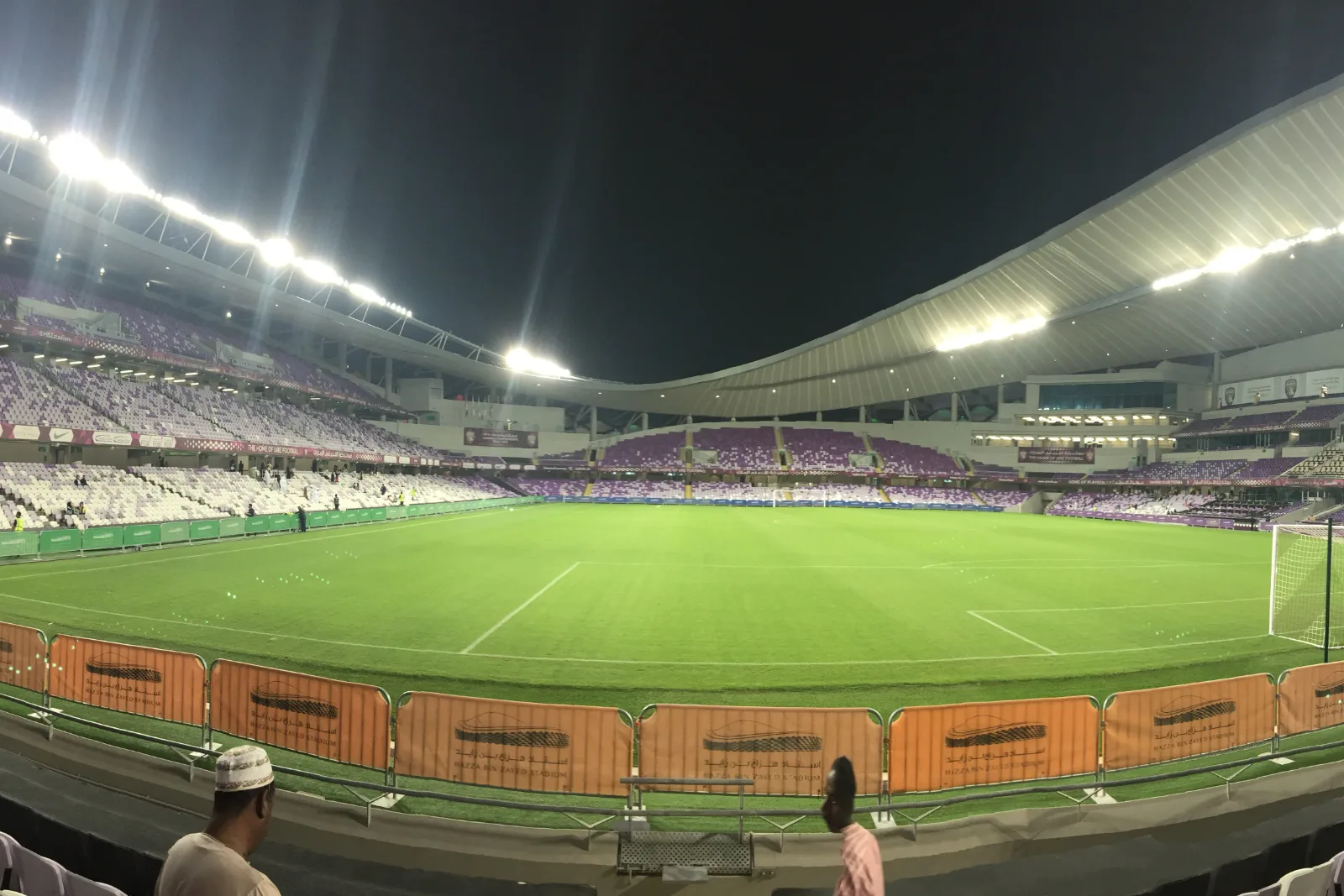
Photo: Hazza bin Zayed Stadium, Al Ain, by Ahmedd, CC BY-SA 4.0, via Wikimedia Commons.